



Hand Injuries During Thanksgiving: Tips for a Safe Holiday in Katy, TX
Published on by The Hand & Plastic Surgery Center of Katy
Picture this: you’re in the middle of preparing your perfect Thanksgiving feast when suddenly a simple slip of the knife turns your holiday celebration into an emergency room visit. Sound familiar? You’re definitely not alone. Thanksgiving consistently ranks as one of the busiest days of the year for hand-related emergency room visits, with turkey carving injuries topping the list of holiday mishaps.
In Katy and across Texas, emergency departments see a dramatic spike in hand injuries every fourth Thursday of November. The good news? Most of these accidents are completely preventable with some simple awareness and preparation. Let’s walk through the most common Thanksgiving hand injuries and how you can keep your hands safe while still creating that memorable holiday meal.
The Most Common Thanksgiving Hand Injuries
Turkey Carving Cuts and Lacerations
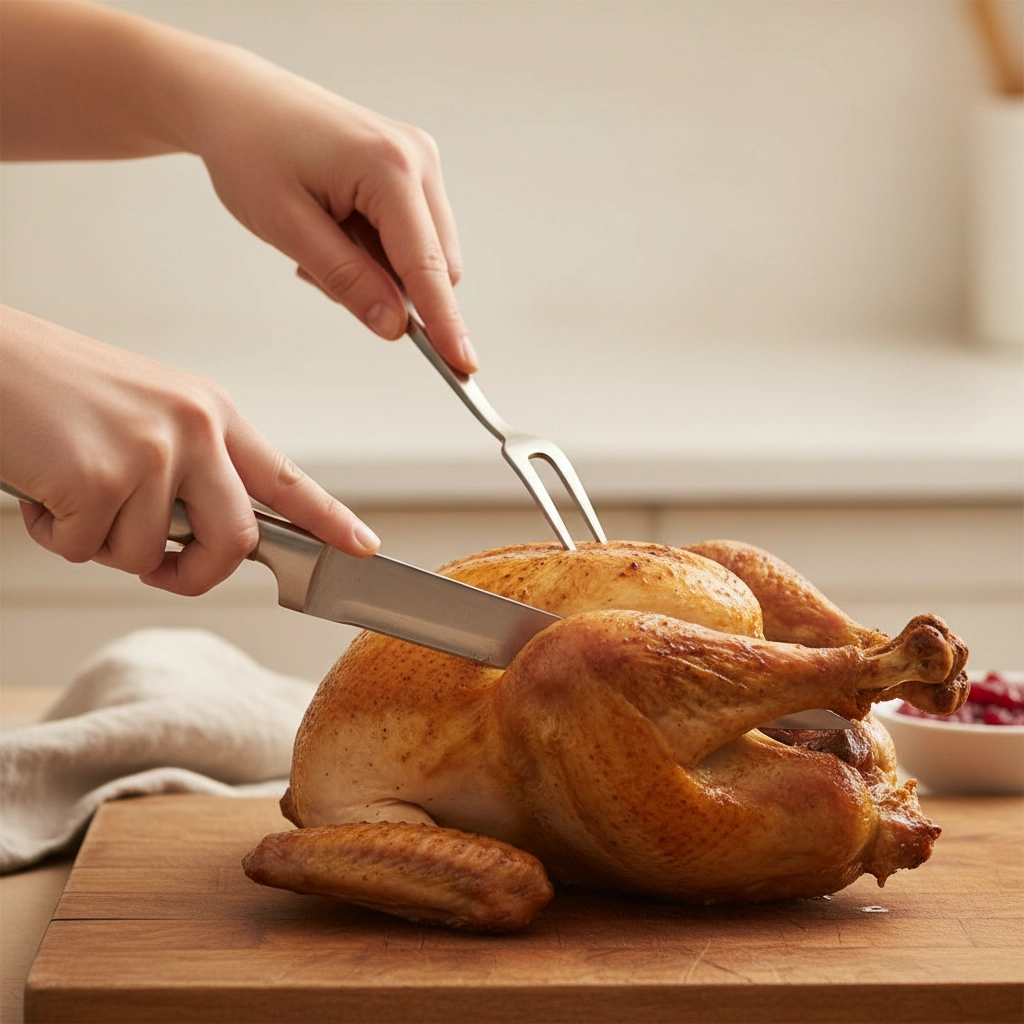
Turkey carving injuries absolutely dominate Thanksgiving emergency room visits. We’re not talking about minor nicks here, these can be serious injuries involving deep cuts to tendons, nerves, and even finger amputations. The combination of a large, slippery bird, sharp knives, and often some holiday cocktails creates the perfect storm for accidents.
Most carving injuries happen because people try to rush through the process or use inadequate cutting techniques. When you’re pressing down on a dull knife trying to cut through tough skin and joints, that’s when accidents happen. The knife slips, your hand shifts, and suddenly you’re dealing with a deep laceration that might require surgical repair.
Kitchen Burns
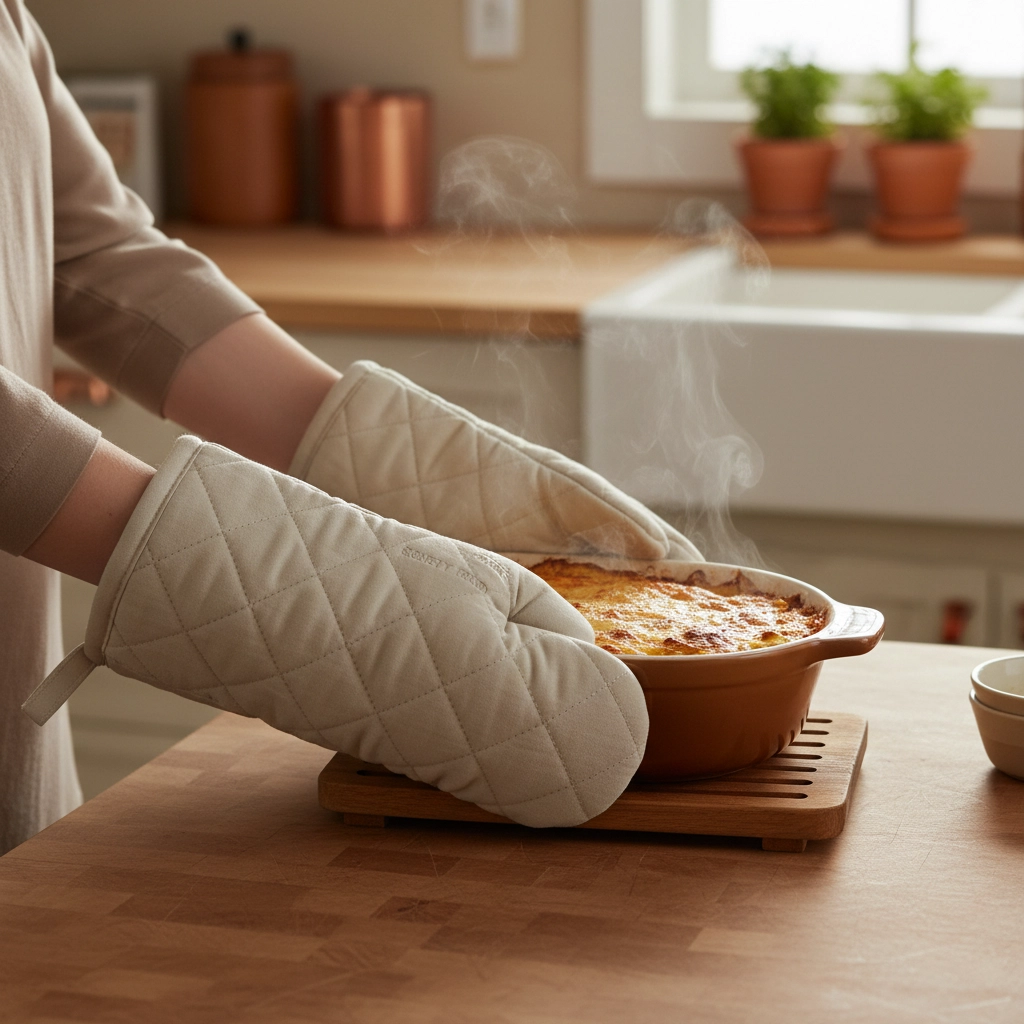
Between hot ovens, sizzling pans, and bubbling casseroles, your kitchen becomes a minefield of burn hazards on Thanksgiving day. Hand and arm burns are incredibly common, especially when people are juggling multiple dishes and feeling rushed. Steam burns from lifting pot lids, grease splatters from frying, and contact burns from grabbing hot handles without proper protection all send people to the ER.
The tricky thing about burns is that they often seem minor at first but can be more serious than they appear. What looks like a small red mark can actually be a deeper burn that needs professional attention.
Repetitive Strain Injuries
All that chopping, stirring, and prep work puts serious strain on your hands and wrists. If you already deal with conditions like arthritis or carpal tunnel syndrome, the intensive cooking marathon that is Thanksgiving can really aggravate your symptoms. Even if you don’t have existing issues, the repetitive motions of holiday cooking can trigger tendonitis and other inflammatory conditions.
Cuts from Kitchen Tools and Appliances
Beyond the infamous turkey carving accidents, regular kitchen prep creates plenty of opportunities for cuts. Mandoline slicers, food processors, and even simple vegetable peelers can cause serious injuries when you’re working quickly or not paying full attention. Garbage disposals are another common culprit, people often reach in to clear jams or retrieve dropped items without proper precautions.
Why Thanksgiving Hand Injuries Happen
The Rush Factor
Let’s be honest, Thanksgiving cooking is stressful. You’re trying to coordinate multiple dishes, manage timing, and often cook for more people than usual. This time pressure leads to shortcuts, rushing, and decreased attention to safety. When you’re focused on getting everything done on schedule, it’s easy to let your guard down around sharp knives and hot surfaces.
Alcohol and Distractions
Holiday celebrations often involve alcohol, which significantly impairs coordination and judgment. Even a glass or two of wine can affect your fine motor skills and reaction time, not ideal when you’re handling sharp knives. Add in the distractions of family conversations, kids running around, and football games in the background, and you’ve got a recipe for accidents.
Unfamiliar Tasks and Tools
Many people only carve a whole turkey once a year, so they lack experience with proper technique. Using unfamiliar or inadequate tools compounds the problem. That dull knife set you’ve been meaning to replace? Thanksgiving isn’t the time to struggle with it.
Fatigue
Holiday cooking is exhausting. Long hours in the kitchen, lack of sleep from preparation stress, and physical fatigue all contribute to decreased coordination and poor decision-making. When you’re tired, you’re more likely to make mistakes that lead to injuries.
Prevention Strategies That Actually Work
Master Safe Carving Techniques
First and most importantly, carve sober. Save the celebratory drinks for after the turkey is safely sliced. Set up your carving station away from the main kitchen chaos, preferably in a quiet area where you won’t be distracted by conversations or kids.
Use a sharp carving knife, this might seem counterintuitive, but dull knives are actually much more dangerous. A sharp knife cuts cleanly through meat without requiring excessive pressure, giving you better control. Always cut away from your body, never toward yourself or your other hand.
Stabilize the turkey with a proper carving fork, and make sure your cutting board won’t slip. Place a damp towel underneath it if needed. Take your time, there’s no prize for speed when it comes to carving.
Kitchen Safety Essentials
Keep your workspace well-lit and dry. Wet floors and poor visibility are accident magnets. Invest in proper oven mitts rather than using towels or thin potholders, your hands will thank you. When removing items from the oven, pull the rack out first rather than reaching deep into the oven.
Stay organized and clean as you go. A cluttered kitchen with dirty knives lying around is dangerous. Put knives away properly after each use, and never leave them hidden under dish towels or in soapy water where someone might grab them accidentally.
Equipment and Tool Safety
If you’re dealing with repetitive strain issues or arthritis, consider ergonomic modifications. Use electric can openers instead of manual ones, choose kitchen shears for cutting tasks when possible, and look for utensils with larger, easier-to-grip handles.
For those mandoline slicers and food processors, use the safety guards. Yes, they’re annoying, but they prevent serious injuries. Never try to clear a garbage disposal jam with your hands; use tongs or turn off the power at the breaker first.
Pace Yourself
Build breaks into your cooking schedule. Your hands and wrists need rest, especially during marathon cooking sessions. If you notice pain or stiffness developing, stop and stretch. It’s better to take a few minutes to rest than to push through and risk injury.
Consider prep work distribution: you don’t have to do everything yourself. Family members can help with chopping and simple tasks, reducing the strain on your hands.
When Injuries Happen: What to Do
For Minor Cuts
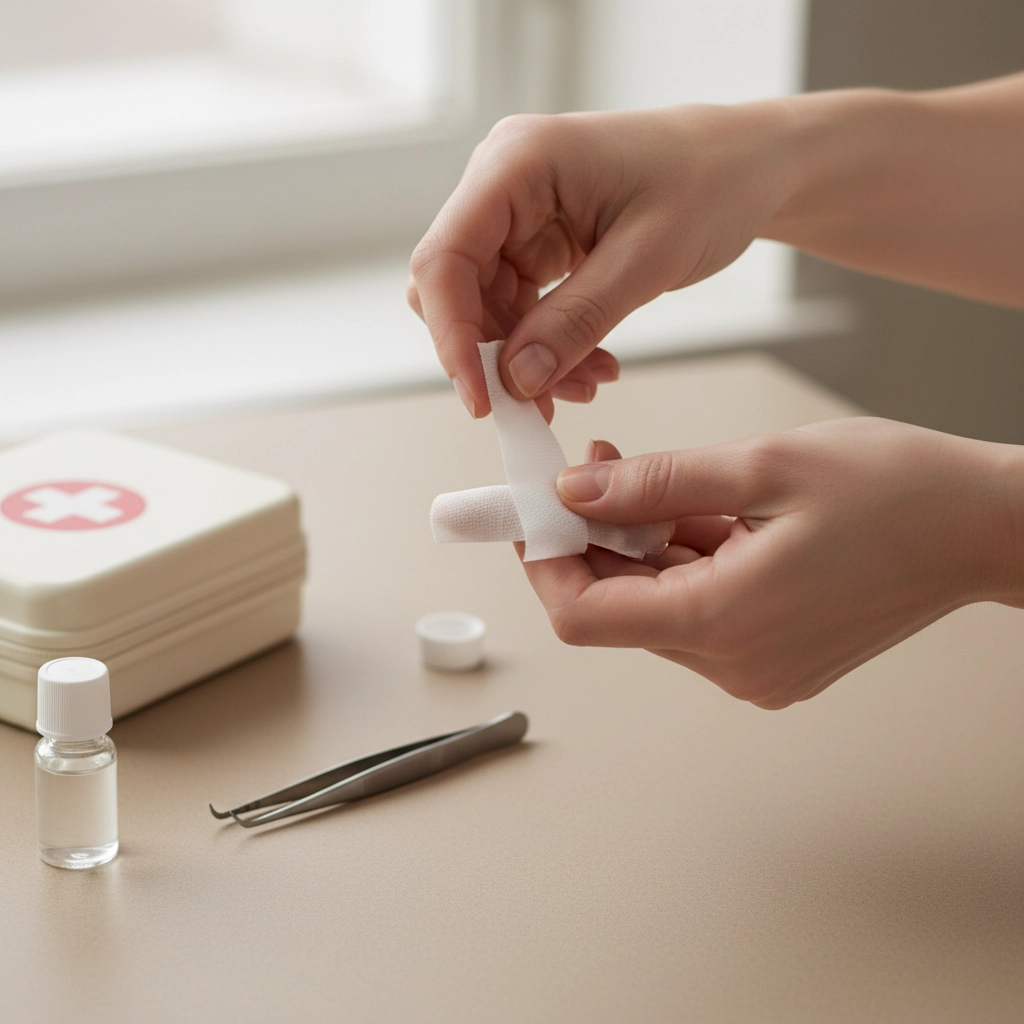
Clean the wound thoroughly with water and gentle soap, then apply pressure with a clean cloth to stop bleeding. Once bleeding is controlled, apply antibiotic ointment and cover with a bandage. Keep an eye on it for signs of infection over the next few days.
For Burns
Immediately run cool (not ice-cold) water over the burn for several minutes. This helps stop the burning process and reduces pain. Don’t use ice, butter, or other home remedies: they can actually make burns worse. Cover with a clean, dry cloth and assess whether professional medical attention is needed.
When to Seek Professional Help
Any cut that’s deep enough to see fat, muscle, or bone needs immediate medical attention. If you can’t stop bleeding with direct pressure after 10-15 minutes, head to the emergency room. For burns, seek help if the area is larger than a quarter, involves the face or hands, or if blistering is severe.
Tendon or nerve injuries require specialized care. If you can’t move your fingers normally after a cut, or if you notice numbness or tingling that doesn’t resolve quickly, you need professional evaluation. Make sure you see a Board Certified Hand Surgeon and not a general physician for a definitive evaluation and care plan.
Preparing Your Kitchen for Safety
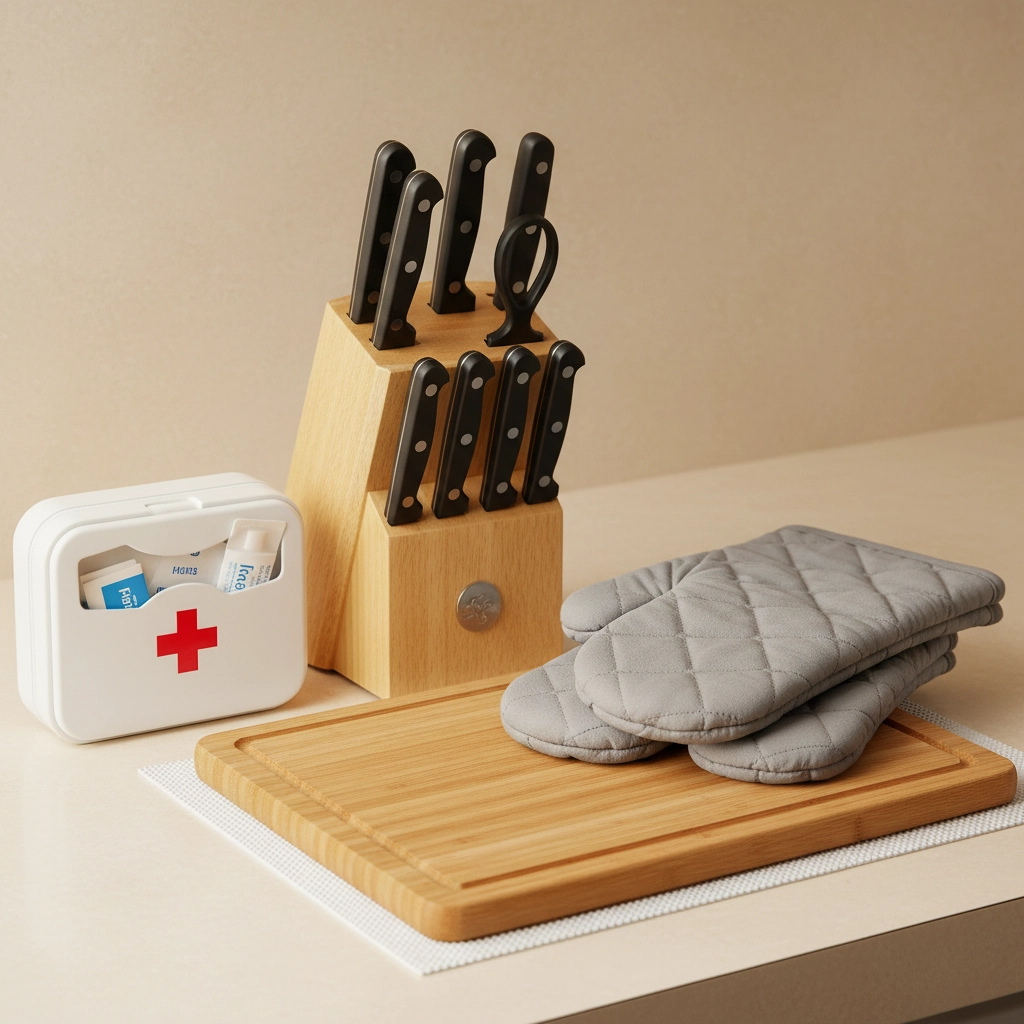
Before the big day arrives, take some time to prepare your kitchen for safe cooking. Sharpen your knives or invest in a new set if yours are beyond help. Stock up on proper oven mitts, cutting boards, and first aid supplies. Make sure your smoke detectors are working and you know where your fire extinguisher is located.
Consider doing some of your prep work in advance when you’re not rushed and stressed. Chopping vegetables, making desserts, and other tasks can often be done a day or two ahead, reducing the intensity of Thanksgiving day cooking.
Enjoying the Holidays Safely
Thanksgiving should be about gratitude, family, and great food: not emergency room visits. With some basic awareness and preparation, you can significantly reduce your risk of hand injuries and focus on what really matters: creating memories with the people you love.
Remember, most Thanksgiving hand injuries are completely preventable. Take your time, stay focused on safety, and don’t hesitate to ask for help when you need it. Your hands do so much for you every day: show them some extra care during the holiday season.
If you do experience a hand injury that requires professional care, The Hand & Plastic Surgery Center of Katy is here to help. Our experienced team understands that hand injuries need specialized attention, and we’re committed to getting you back to full function as quickly as possible. Don’t let a preventable injury derail your holiday celebration: stay safe, stay aware, and have a wonderful Thanksgiving.