



Ganglion Cysts of the Fingers: Causes, Symptoms & Treatment | Katy
Published on by The Hand & Plastic Surgery Center of Katy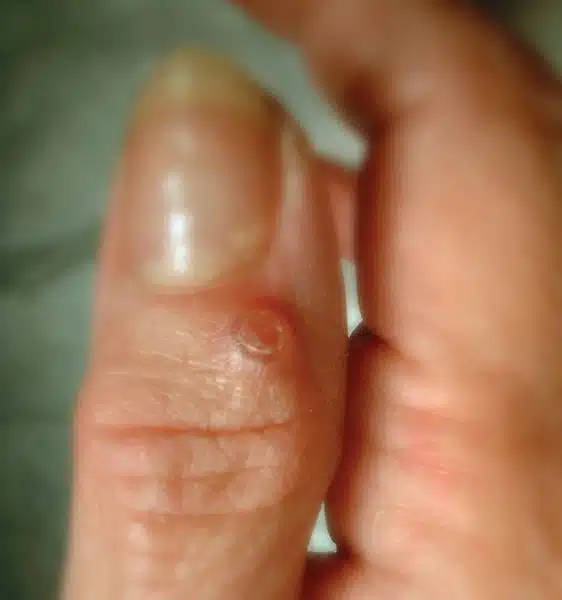
Understanding Ganglion Cysts of the Fingers: Causes, Symptoms, and Treatment of Ganglion Cyst Finger
Ganglion cysts are noncancerous lumps that commonly develop along the tendons or joints of the wrists or hands, but they can also appear on the fingers. These cysts are filled with a jelly-like fluid and can cause discomfort or interfere with hand function, especially when they occur on the fingers. Understanding the impact of ganglion cyst finger on daily activities is essential for effective management. Ganglion cysts can vary in size, often appearing suddenly or gradually over time. They can fluctuate in size, sometimes becoming more prominent with activity and shrinking with rest. It’s important to monitor these changes and consult a specialist if any significant changes occur. The psychological effects of having a visible lump can also affect individuals, leading to anxiety or self-consciousness, particularly if it restricts movement or functionality in the hand.
What Is a Ganglion Cyst?
- Definition: A ganglion cyst is a fluid-filled sac that arises from the tissues surrounding a joint, such as ligaments, tendon sheaths, or joint linings.
- Location: While most often found on the back of the wrist, ganglion cysts can also develop on the fingers, particularly near the joints (often at the base of the finger on the palm side, known as a flexor tendon sheath cyst).
Causes
Understanding Ganglion Cyst Finger: Symptoms and Treatment Options
Examples of Ganglion Cysts
-
- Joint or tendon irritation: Repetitive use or minor trauma may contribute to cyst formation.
- Underlying joint conditions: Arthritis or joint instability can increase the risk.
Additionally, other risk factors include family history and genetic predisposition, which may play a role in the likelihood of developing ganglion cysts. People with occupations that require repetitive wrist or finger movements, such as assembly line workers or musicians, may find themselves more susceptible to these cysts due to the continuous strain on their hands.
- Age and gender: Ganglion cysts are more common in women and typically occur between ages 20 and 40, but can affect anyone.
Symptoms
Complications Related to Ganglion Cysts
- Visible lump: Usually round or oval and may change in size.
- Pain or tenderness: Especially if the cyst presses on a nerve or is aggravated by movement.
- Reduced mobility: Large cysts may limit finger movement or grip strength.
Diagnosis
- Physical examination: A hand specialist can often diagnose by inspecting and palpating the lump.
Treatment Options
-
- Observation: Many ganglion cysts are painless and may resolve on their own.
- Immobilization: Wearing a splint can help reduce size by limiting movement.
- Aspiration: Removal of fluid with a needle; recurrence is high and not permanent solution.
- Surgical removal: Recommended for persistent, painful, or recurrent cysts. Surgery is usually performed by a hand specialist for optimal results.
When to See a Specialist
- If the cyst is painful, growing, interferes with hand function, or if there is uncertainty about the diagnosis, consult a hand surgery expert.
Conclusion
Ganglion cysts of the fingers are common and typically benign, but they can cause discomfort and impact daily activities. Early evaluation by a hand specialist ensures proper diagnosis and management, tailored to each patient’s needs. Understanding the causes, symptoms, and treatments associated with ganglion cyst finger is crucial for anyone affected. Engaging in proactive health measures, such as wrist exercises and ergonomic adjustments, can also help prevent recurrence. Ultimately, awareness and education about ganglion cyst finger empower individuals to make informed decisions regarding their health.
For comprehensive hand and wrist care, including expert management of ganglion cysts, contact The Hand & Plastic Surgery Center of Katy.
Our Board Certified Hand Surgeon, Dr. Das will evaluate your finger or hand and help you decide on the optimal treatment option.
Please call 832-232-HAND(4263) for an appointment.